 Meghalaya, often referred to as the “Abode of Clouds,” is a state in northeastern India known for its breathtaking landscapes, rich cultural heritage, and unique biodiversity. Nestled in the hills of the eastern Himalayas, Meghalaya is a land of lush greenery, cascading waterfalls, and vibrant traditions. Let’s delve into the various aspects that make Meghalaya a fascinating destination.
Geography and Climate
Meghalaya is bordered by Assam to the north and east and Bangladesh to the south and west. The state covers an area of approximately 22,429 square kilometers. Its capital, Shillong, is often called the “Scotland of the East” due to its picturesque landscapes and pleasant climate.
The state is characterized by its hilly terrain, with the Khasi, Jaintia, and Garo Hills being the prominent hill ranges. Meghalaya receives one of the highest amounts of rainfall in the world, particularly in the town of Cherrapunji, which holds the record for the highest annual rainfall. The climate is generally cool and pleasant, making it a year-round destination for tourists.
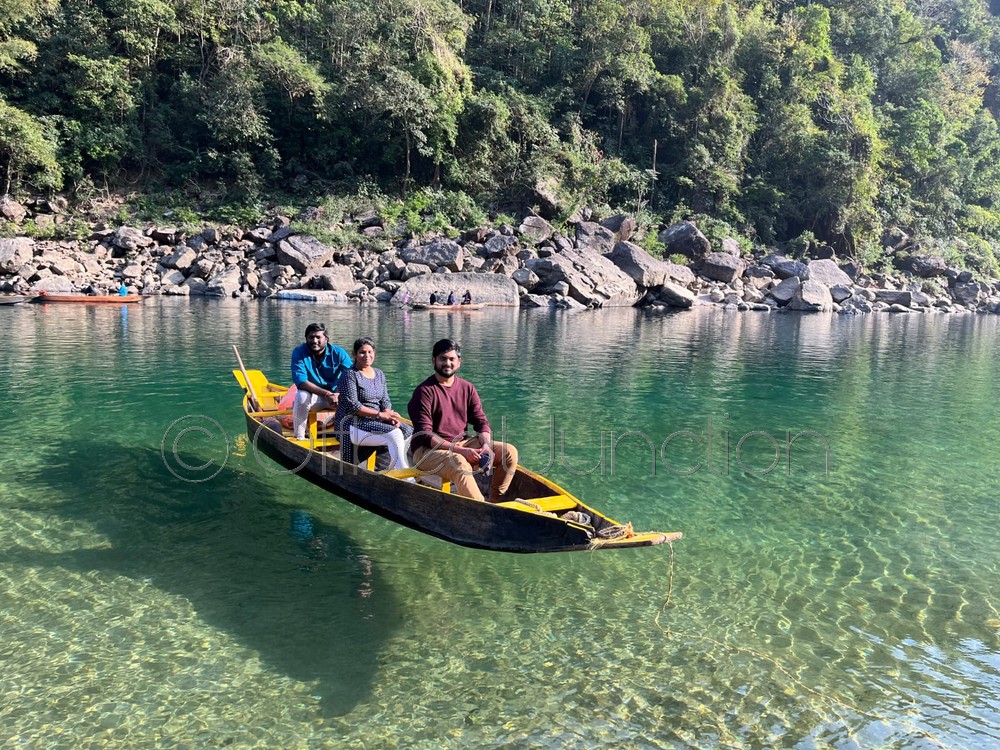
Meghalaya is home to the Umngot River, also known as the Dawki River, which is considered one of the world’s cleanest rivers
Natural Beauty and Tourist Attractions
Meghalaya is renowned for its natural beauty, which includes numerous waterfalls, caves, and living root bridges. Some of the most famous waterfalls are Nohkalikai Falls, the tallest plunge waterfall in India, and Elephant Falls, known for its multi-tiered cascade.
The state is also home to some of the longest and deepest caves in India, such as the Siju Cave and Mawsmai Cave. These caves are a paradise for spelunkers and adventure enthusiasts.
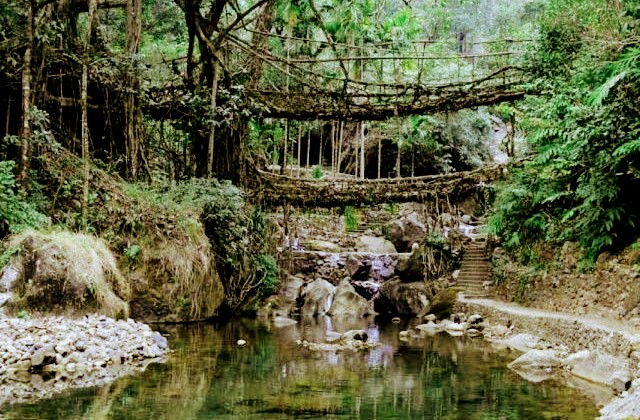
One of the unique attractions of Meghalaya is the living root bridges, particularly found in the Khasi and Jaintia Hills. These bridges are made by training the roots of rubber trees to grow across rivers and streams, creating natural, sturdy bridges that can last for centuries.
Culture and Traditions
Meghalaya is a melting pot of cultures, with the Khasi, Jaintia, and Garo tribes being the major indigenous communities. Each tribe has its own distinct language, customs, and traditions. The Khasi and Jaintia tribes follow a matrilineal system, where lineage and inheritance are traced through the mother’s side.
Festivals play a significant role in the cultural life of Meghalaya. Some of the prominent festivals include:
Nongkrem Dance Festival: Celebrated by the Khasi tribe, this festival is held to seek blessings for a good harvest and the well-being of the community.
Wangala Festival: Also known as the 100 Drums Festival, it is celebrated by the Garo tribe to mark the end of the agricultural year and to honor the Sun God.
Behdienkhlam Festival: Celebrated by the Jaintia tribe, this festival is held to drive away evil spirits and to pray for a good harvest.
Biodiversity and Wildlife
Meghalaya is a biodiversity hotspot, with a wide variety of flora and fauna. The state is home to several national parks and wildlife sanctuaries, such as Nokrek National Park, Balpakram National Park, and Siju Wildlife Sanctuary. These protected areas are home to rare and endangered species like the red panda, clouded leopard, and hoolock gibbon.
The state’s diverse ecosystems, ranging from tropical rainforests to subtropical pine forests, support a rich array of plant species, including numerous orchids and medicinal plants.
Economy and Agriculture
Agriculture is the primary occupation of the people of Meghalaya, with a significant portion of the population engaged in farming. The state’s major crops include rice, maize, potatoes, and various fruits like oranges and pineapples. Meghalaya is also known for its unique agricultural practices, such as jhum or shifting cultivation, which is practiced by the indigenous tribes.
In recent years, the state has seen growth in sectors like tourism, horticulture, and handloom and handicrafts. The production of traditional handicrafts, such as bamboo and cane products, has provided livelihood opportunities for many artisans.
Conclusion
Meghalaya is a land of enchanting beauty, rich traditions, and diverse ecosystems. Its unique cultural heritage, coupled with its stunning landscapes, makes it a captivating destination for travelers. While the state faces challenges, its resilient people and ongoing development efforts hold promise for a brighter future. Whether you’re exploring its natural wonders, immersing yourself in its vibrant festivals, or simply enjoying the serene environment, Meghalaya offers an unforgettable experience.